Selected work

How technical evidence becomes risk intelligence.

Three de-identified examples showing how Darion frames risk questions, directs technical work, challenges assumptions and develops decision-ready conclusions.

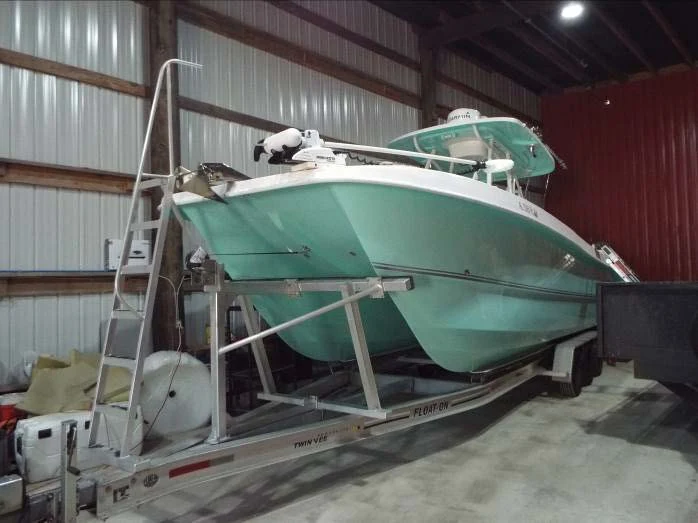
Vessel involved in transport exposure assessment
Case 01 · Transport and structural exposure

Reported impact versus actual damage mechanism.

Risk question

Did the reported road event explain the full repair scope, or were configuration, positioning, prior condition and unsupported line items contributing to severity?

Operating approach

The assignment was structured around physical configuration, clearance, contact points, prior incidents, component condition and estimate reasonableness. Field findings were compared against the alleged mechanism and submitted scope.

Decision value

The analysis isolated event-related damage, identified unrelated or unsupported repairs and produced a more precise view of causal responsibility and financial severity.
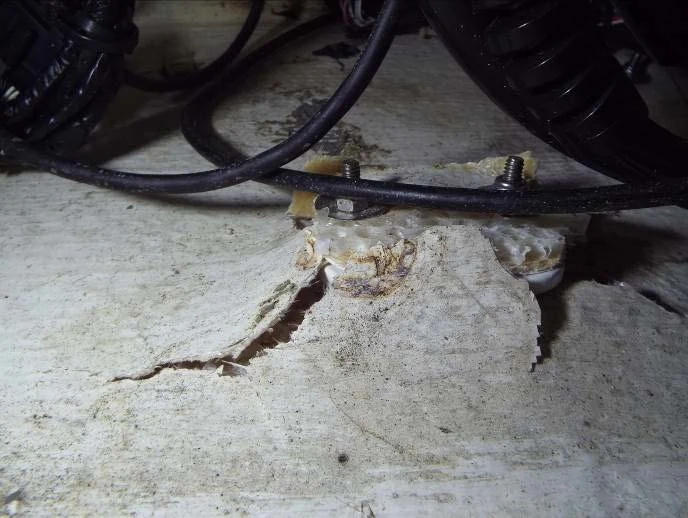

Technical damage detail used in failure analysis
Case 02 · Fire and electrical systems

Turning a destroyed asset into a structured failure analysis.

Risk question

What evidence remained after a severe fire, and what operating or system changes preceded the event?

Operating approach

The investigation focused on origin area, electrical and battery systems, recent installations, fuel and propane exposure, witness information, official reports and preservation of recoverable evidence.

Decision value

Uncertainty was converted into explicit hypotheses, evidence gaps and technical follow-up priorities rather than an unsupported conclusion.

Incident location and environmental exposure
Case 03 · Peril and emergency response

Severity depends on the response system.

Risk question

How did weather, location, asset vulnerability, response speed and professional intervention affect potential loss?

Operating approach

The analysis considered peril, value saved, skill and urgency of response, environmental protection, towing and mooring decisions, and the probability of worsening damage.

Decision value

The work connected operational response quality to avoided severity and created a defensible basis for evaluating mitigation actions and professional services.

The common system

Across every case, four questions control the decision.

The physical subject changes. The analytical architecture remains consistent.

01

What actually happened?

Separate allegation from physical evidence, records and technically plausible mechanisms.

02

What should have prevented it?

Identify operating, maintenance, design, supervision and management controls.

03

What drove severity?

Test scope, timing, escalation, mitigation and third-party responsibility.

Make complex risk easier to understand.

Available for casualty risk consulting, specialty insurance, underwriting support and insurance transformation opportunities.