Hazard and control analysis
Evaluate the operating conditions most likely to create frequency, severity or legal liability and assess whether existing controls are practical and effective.
A multidisciplinary capability set spanning physical exposure analysis, technical investigation, vendor governance, financial severity, documentation and executive communication.
Loss rarely comes from one isolated condition. It emerges from the interaction of people, equipment, maintenance, environment, process design and third parties.
Evaluate the operating conditions most likely to create frequency, severity or legal liability and assess whether existing controls are practical and effective.
Translate business questions into focused scopes of work, targeted evidence requests and technically useful deliverables.
Analyze event type, cost, timing, maintenance, prior condition and recurring fact patterns to surface actionable loss drivers.
Each capability strengthens the others. Better field questions improve evidence quality. Better evidence improves conclusions. Better conclusions improve recommendations.
Define what must be observed, tested, photographed or documented to support a credible risk opinion.
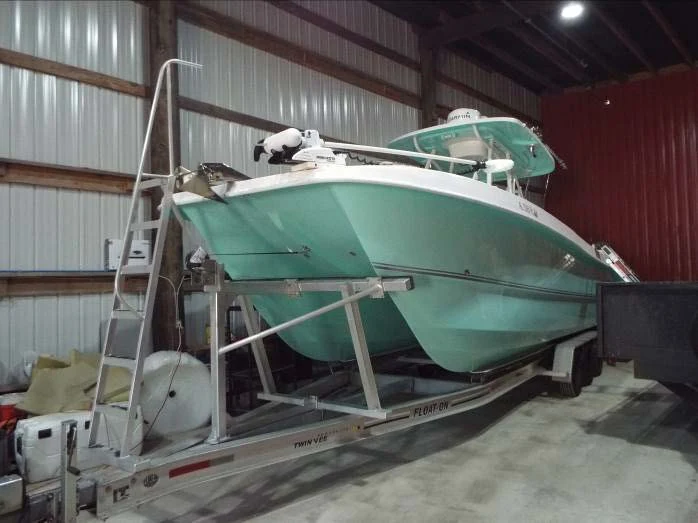
Select the right technical resource, establish expectations, manage timelines, review quality and obtain clarifications when conclusions remain incomplete.
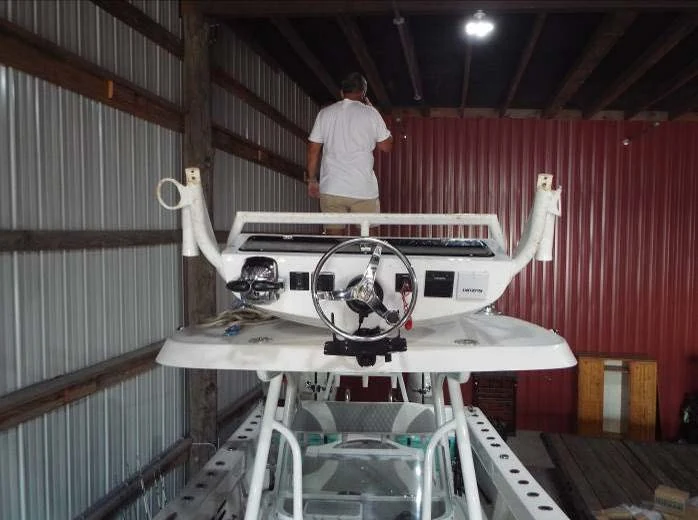
Make exposure, uncertainty, control effectiveness and recommended action easy to understand and defend.
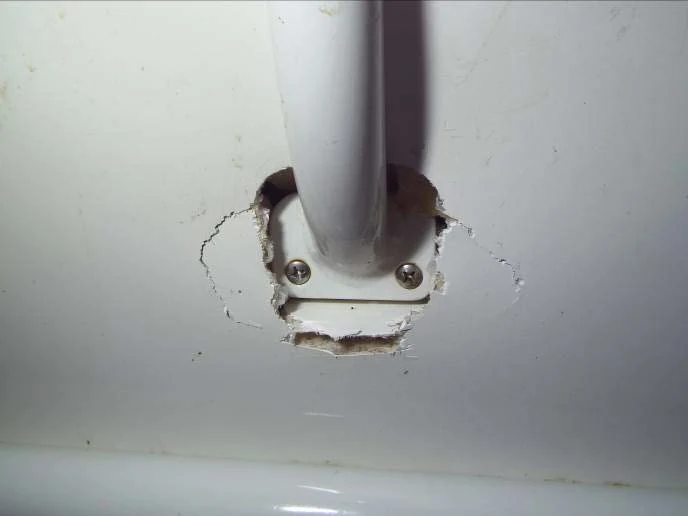
Use structured templates, quality controls, Excel, Power BI and AI-assisted drafting to improve consistency, turnaround and presentation quality.
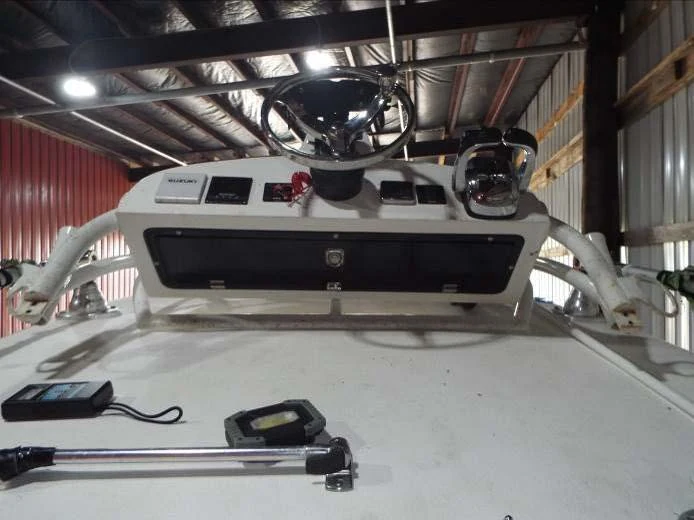
Marine risk work developed pattern recognition across machinery, electrical systems, fire, transport, weather, premises, third-party liability, vendor controls and high-uncertainty physical evidence.
Available for casualty risk consulting, specialty insurance, underwriting support and insurance transformation opportunities.