Underwriter support
Provide a clear view of operations, material hazards, control quality, historical loss drivers and unresolved uncertainty.
Darion brings an established insurer-side operating model for evaluating operations, analyzing loss drivers, directing technical work and communicating practical recommendations across complex commercial exposures.
The physical domain changes. The core professional work does not: understand the operation, identify hazards, test controls, analyze loss evidence, manage specialists, document the opinion and recommend action.
Provide a clear view of operations, material hazards, control quality, historical loss drivers and unresolved uncertainty.
Translate findings into practical recommendations that operations leaders can implement and measure.
Define scope, manage technical resources, review deliverables and obtain the clarification required for a defensible conclusion.
The skill is not memorizing one checklist. It is understanding how operations generate injury, property damage, liability and financial severity.
Analyze work practices, maintenance, training, supervision, material handling and environmental conditions that shape injury frequency and severity.
Evaluate operating procedures, maintenance, driver behavior, event causation, third-party interaction and preventability.
Identify conditions affecting customers, contractors, visitors, property damage and legal liability across commercial operations.
Analyze design, installation, instructions, maintenance, foreseeable use, third-party work and the evidence linking a product to an event.
Use frequency, severity, timing, cause, reserve movement and recurring fact patterns to identify where controls are failing.
Translate technical findings into prioritized corrective actions clear to operations leaders, underwriters and clients.
Map people, equipment, workflows, customers, contractors, products and off-site interfaces.
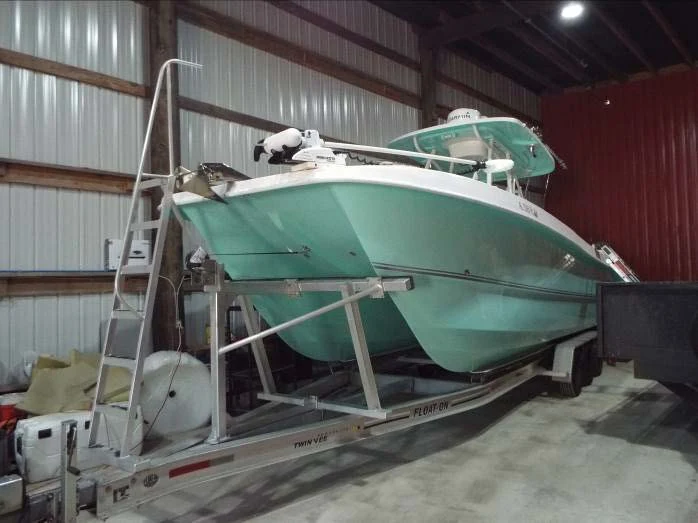
Compare documented procedures against physical conditions, behavior, maintenance and real loss history.
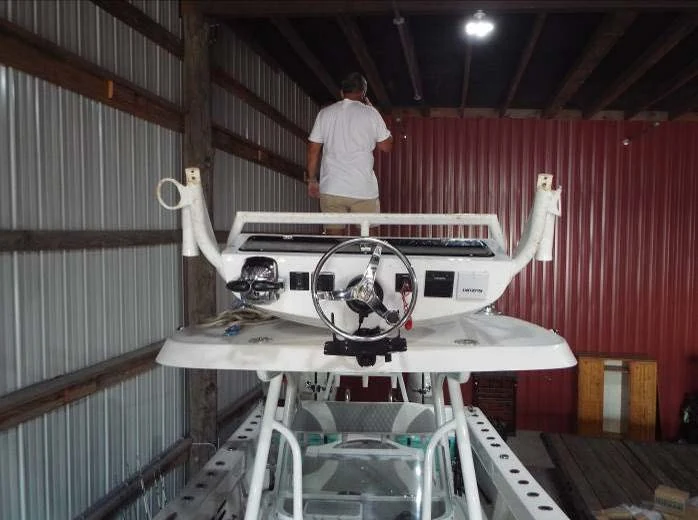
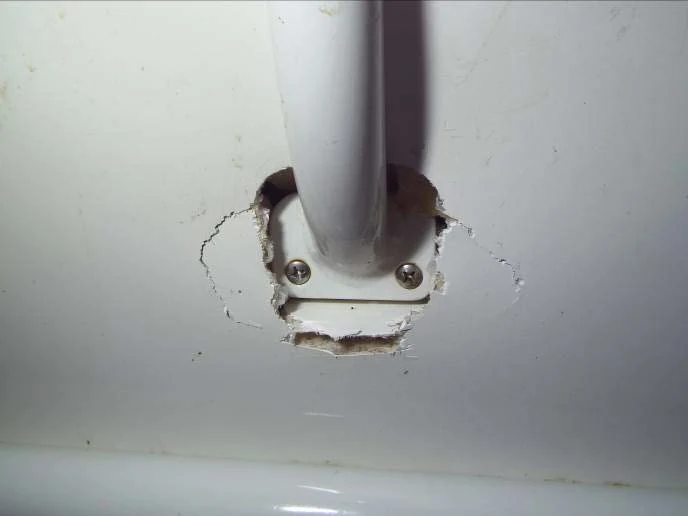
Identify the failure pathway, control weakness, escalation mechanism and potential downstream consequence.
Document opinion of risk, priority recommendations, evidence gaps and follow-up expectations.
Discuss how Darion’s specialty insurance experience can support primary casualty underwriting and client risk improvement.