Selected evidence / aggregated workflows

Show the judgment, not just the deliverable.

The following examples are reconstructed from the supplied technical templates and marine account workflow. They are intentionally de-identified. The point is to show the questions being asked, the evidence being controlled, and the decision being made.

Cause and conditionTechnical scopeSeverity and reservesRecovery and communication
01 / Workflow one
Submersion / mechanical loss

Unknown cause is a risk problem before it is a coverage answer.

When a vessel takes on water or an engine fails, the responsible move is to preserve uncertainty long enough to resolve it. A surveyor assignment should answer a question, not merely create another document.

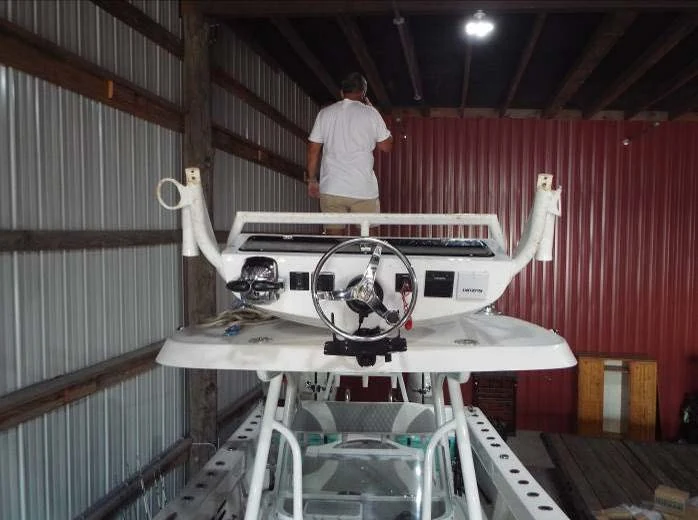
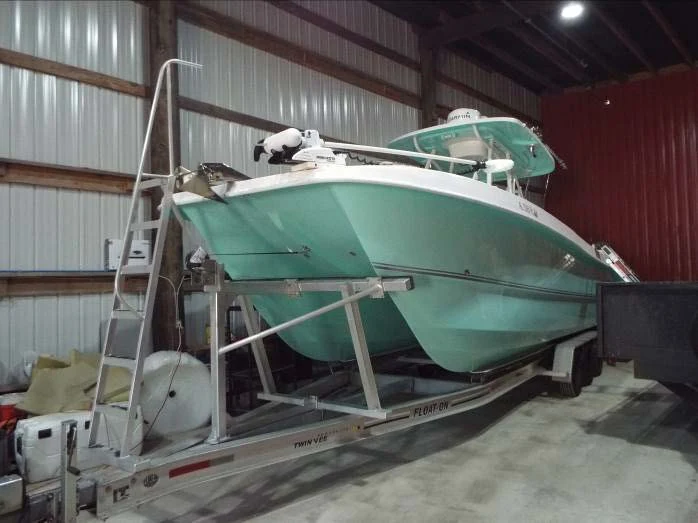
Boat control station under inspection
Question

What must the next evidence resolve?

Is the damage consistent with the reported event? Is there a condition that predates it? Is the repair scope connected to the cause? Is a repair facility or other party relevant?

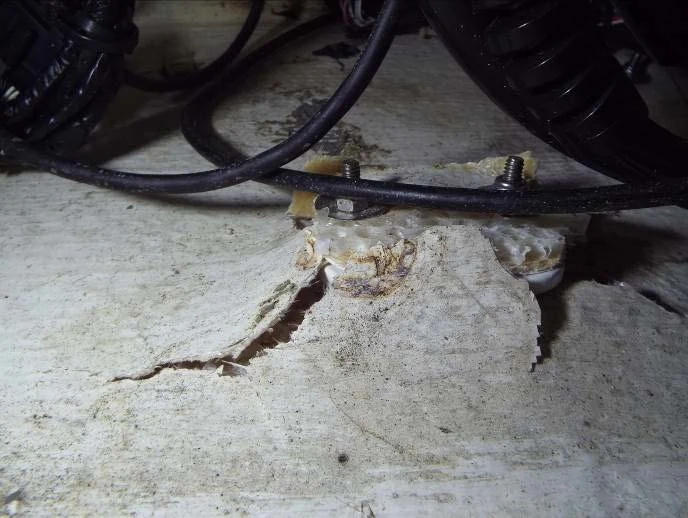
Close technical damage detail
Decision output

A defensible next step.

Obtain the statement of loss, assign the right technical resource, request the repair estimate and photographs, and keep the coverage question open until the evidence supports a conclusion.

02 / Workflow two
Estimate / depreciation / reserve

A number is only as strong as the reasoning underneath it.

The templates show a practical severity discipline: review the estimate, identify what depreciation applies to, apply the deductible, and let the reserve move with the quality of evidence.

Illustrative calculation pattern

Move from estimate to supportable financial view.

The following is an aggregated calculation pattern from the supplied templates, shown without account identifiers or insured information.

Repair estimate$2,926.73 / scope under review
Depreciation($100.09) / policy-specific
Deductible($300.00) / policy-specific
Supported settlement$2,526.64 / arithmetic reconciled
What the adjustment shows

Financial analysis is also evidence analysis.

Reviewing the estimate tests whether the proposed repairs are connected to the loss, whether labor and materials are fair and reasonable, whether depreciation is triggered, and whether the reserve reflects what is actually known.

  • Known damage versus preliminary uncertainty.
  • Repair scope versus unsupported expansion.
  • Policy mechanics versus a generic number.
  • Reserve movement versus new documentation.
01Review the estimate
02Apply policy mechanics
03Reconcile the reserve
04Explain the result
03 / Workflow three
Subrogation / third party

The loss does not end at the first payment question.

The supplied subrogation template turns a vague suspicion into a usable referral: what happened, what work was done, what failed next, who may be responsible, and what evidence a reviewer needs.

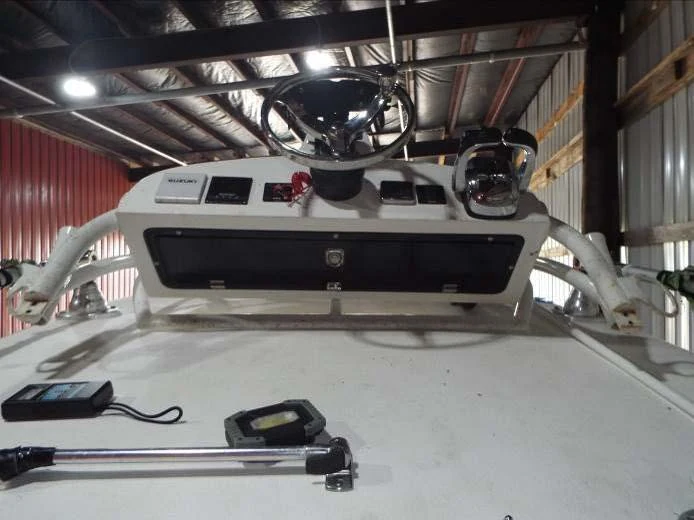
Marine helm and controls
Transfer to casualty

Third-party contribution becomes contract and premises intelligence.

The same reflex applies to contractors, maintenance providers, customers, and other parties whose work or control may change a liability outcome before a loss happens.

Vessel overview for operational assessment
Consultant behavior

Ask the question early enough to preserve the option.

Capture the facts, identify the missing evidence, route the referral, and keep the file from losing recovery value through delay or undocumented assumptions.

04 / Artifact to capability
Why the templates matter

The document is evidence of the operating system.

A hiring manager should be able to see how the underlying technical artifacts become casualty risk consulting behaviors.

Source artifactWhat it demonstratesCasualty-risk translation
Coverage analysisStructured intake and policy-aware fact framingIdentifies the insured, location, policy form, limits, deductible, endorsements, loss facts, and recovery potential.Survey scopingCapture the operation, line, underwriting question, loss-run concern, and evidence needed before field spend.
Initial contactInformation quality under time pressureMoves an uncertain report toward a complete statement, current location, known damage, and document request.Client and broker communicationAsk clear questions, set expectations, and keep the next action visible.
Surveyor assignmentTechnical-resource directionDefines why the surveyor is needed and what the inspection must resolve.Vendor governanceGive the field resource a precise scope, a due date, a deliverable standard, and a reason the work matters.
Damage / reserve noteFinancial reasoningConnects documentation, repair scope, depreciation, deductible, and reserve movement.Severity and loss intelligenceHelp underwriting distinguish a number from the conditions producing that number.
Subro referralThird-party causal thinkingPreserves a factual chain and routes a potential recovery issue to the right reviewer.Liability and contract layerRecognize where contractors, vendors, premises, and other parties change the exposure.
Evidence standard

No confidential files. No inflated certainty. Just the reasoning made visible.

This portfolio aggregates the workflow patterns in the supplied templates and role dossier. It does not reproduce real account identifiers, personal information, or confidential file content.