Target role / AIG Casualty Risk Consultant
Risk work is evidence work.
My background is insurer-side marine account work at Intact Insurance Specialty Solutions. I reviewed coverage, endorsements, exposure, premiums, losses, reserves, surveys, and the decisions that protect a book. This portfolio shows how that experience carries into AIG casualty risk consulting.
Atlanta, Georgia
50-state insurance license
Specialty insurance
Evidence / condition / consequence
Representative work / de-identified
 Target role
Casualty risk
Separate the event from the condition.
Damage, maintenance, design, installation, third-party responsibility, and policy language do not answer the same question.
Make the next decision easier.
Scope the work, test the evidence, quantify the consequence, and communicate the action.
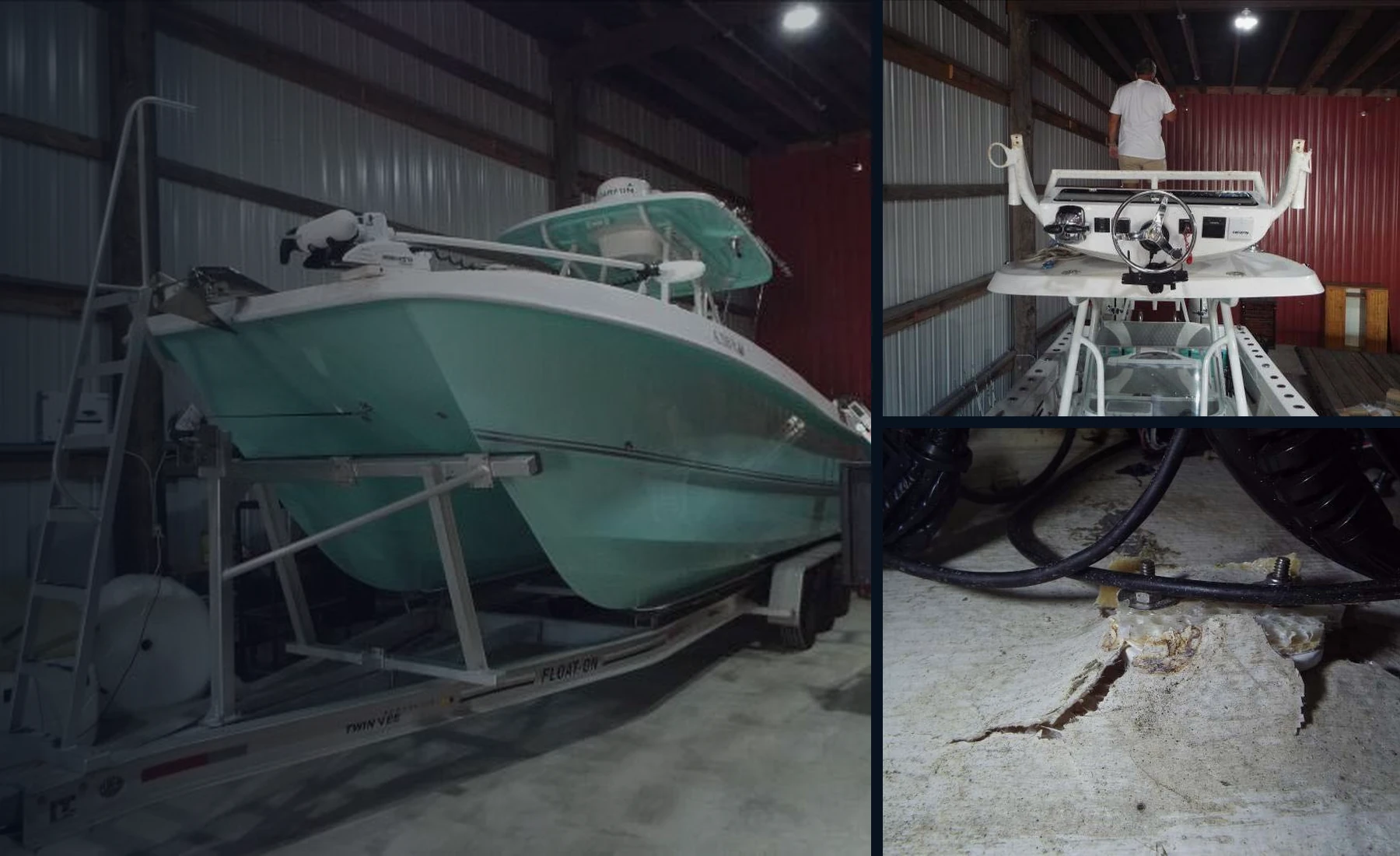
Supplied marine inspection photography / representative and de-identified
Carrier-sideAccount review, coverage, reserves, recovery, and technical evidence inside the insurer workflow.
Mechanism-firstUnderstand how a real operation creates frequency, severity, and liability.
Underwriter-readyTranslate field detail into a short, defensible judgment and clear next steps.
Learning velocityBuilding workers’ compensation, general liability, fleet, and OSHA fluency with a visible plan.
01 / The fit
A hiring-manager read
The match is in the operating mechanism, not the job title.
A job title can hide the work underneath it. The relevant question is whether the person can understand an operation, find the failure pathway, control technical work, and make the financial consequence legible.
01 / Evidence judgment
I already work inside the insurer’s evidence problem.
Initial loss facts, statements, policy conditions, photographs, survey findings, repair estimates, reserves, and recovery signals have to be reconciled before a file can move. That is the same judgment discipline a casualty risk team needs before a survey becomes underwriting intelligence.
02 / Workflow ownership
I know how technical work becomes a controlled process.
Define the question, decide whether specialist work is needed, set the scope, keep the resource moving, review what comes back, and close the loop with the stakeholder who owns the decision.
03 / Transfer logic
The line changes. The failure logic does not.
Vessels, warehouses, fleets, and industrial operations have different hazards, but all require the same sequence: understand the system, identify controls, test evidence, assess severity, and recommend an action someone can execute.
02 / The transfer
Marine specialty to casualty
What I did before, translated precisely.
This is not “I basically did the same job.” It is a map of the underlying work, with the new casualty vocabulary called out plainly.
Marine workflowDesk triage before field spend
Extract the highest-value signal from documents, interviews, policy structure, and the reported event before escalating.
Casualty twin: desktop or virtual risk assessment
Marine workflowSurveyor scope and coordination
Identify what the specialist must inspect, where the evidence is, who has access, and what a useful deliverable must answer.
Casualty twin: loss-control vendor quarterbacking
Marine workflowCause versus condition
Separate a sudden event from corrosion, wear, deferred maintenance, installation, or other conditions that change the decision.
Casualty twin: loss-driver and control analysis
Marine workflowEstimate, depreciation, reserve, settlement
Test scope, reasonableness, policy mechanics, and financial consequence rather than accepting a number at face value.
Casualty twin: severity and loss-run fluency
Marine workflowSubrogation signals
Ask whether a repairer, facility, contractor, or other party contributed to the loss and preserve the facts for recovery review.
Casualty twin: third-party and contract exposure
Marine workflowHard news with a path forward
Explain what the evidence supports, what remains open, what the insured needs to provide, and what happens next.
Casualty twin: recommendations that land
03 / The workflow
Evidence to decision
The work is a chain of closed loops.
Every stage creates something the next stage can use. The point is not motion. The point is a reliable decision path.
01Frame the question
What happened? What decision is pending? What facts would change the answer? Which documents, people, or site conditions can resolve the uncertainty?
Intake / FNOL
coverage frame
02Control the evidence
Decide whether the file needs a surveyor, specialist, repairer, or additional records. Define scope and keep the assignment connected to the material question.
Scope / assignment
vendor direction
03Test the explanation
Compare reported cause with physical condition, maintenance history, estimates, third-party accounts, and policy-relevant facts. Label facts, inferences, and open items.
Cause / condition
evidence test
04Quantify consequence
Review scope and reasonableness, depreciation, deductibles, reserves, severity, loss development, and the cost of leaving the risk pathway unchanged.
Estimate / reserve
severity view
05Deliver and close
Give the decision owner a concise conclusion, recommendations, ownership, dates, and escalation path. Follow up until the item is truly closed.
Underwriter / client
recommendation loop
04 / The AIG contribution
Vendor-based casualty model
The leverage is making delegated field work decision-grade.
A lean team does not need another person who merely forwards assignments. It needs someone who can absorb the ask, control the loop, quality-check the product, and synthesize what underwriting needs.
My first contribution would be operational reliability that compounds into underwriting trust.
The portfolio is built around the behavior the role actually rewards: same-day acknowledgment, precise scope, buffered due dates, documented vendor follow-up, disciplined report review, clear escalation, and concise synthesis.
What I would protectQuestion quality / report quality / decision timing
What I would measureOn-time delivery / rework / cycle time / open recommendations
05 / Selected evidence
Representative workflows
The account work becomes visible as risk consulting.
The examples are aggregated and de-identified from the supplied work templates. They show how judgment was exercised without reproducing confidential account data.
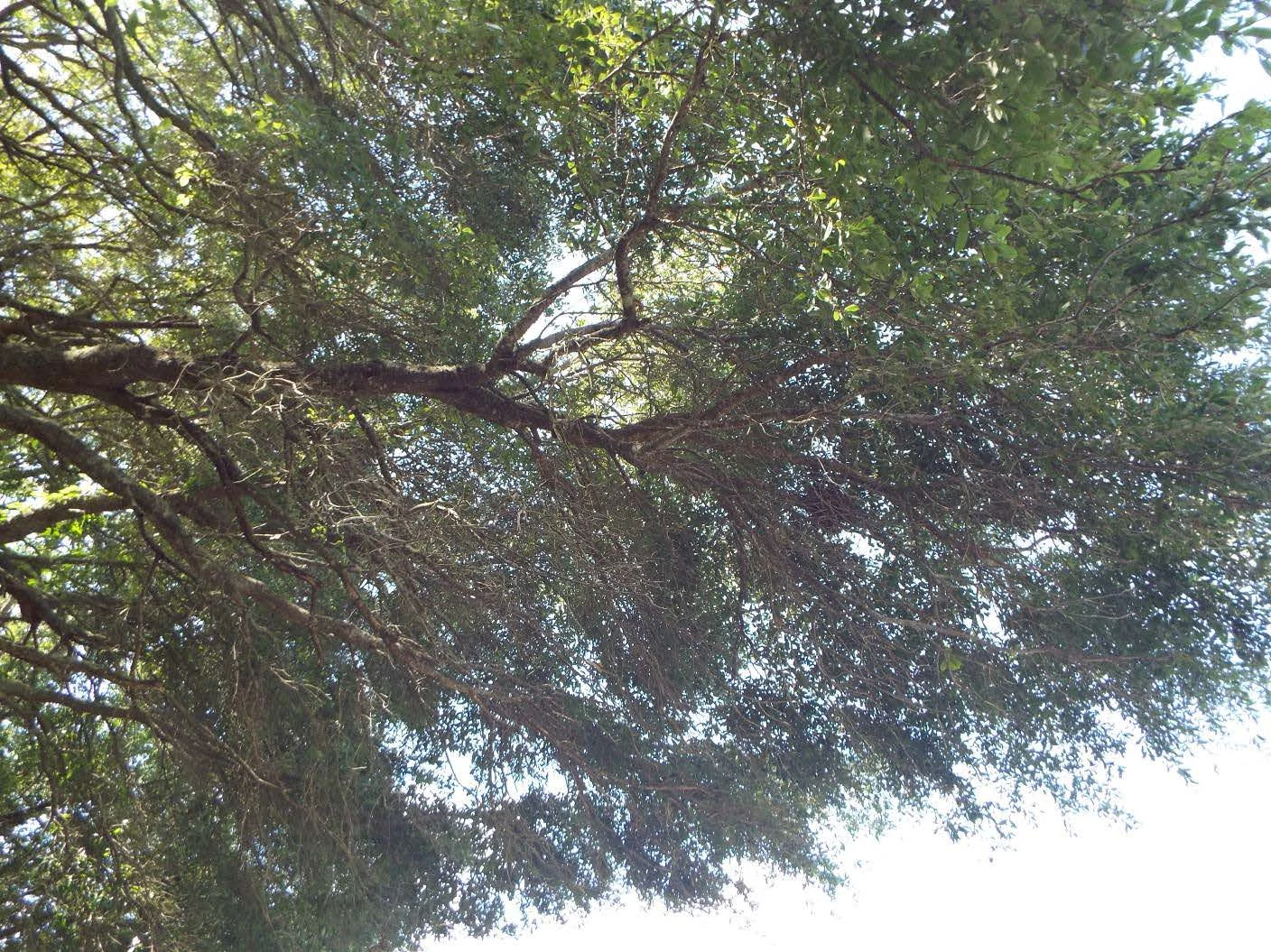
Cause / conditionSubmersion and mechanical loss
When the cause is unknown, the next move is not a premature conclusion. It is a controlled assignment to confirm cause, scope, policy-relevant conditions, and fair repair cost.
Open workflow
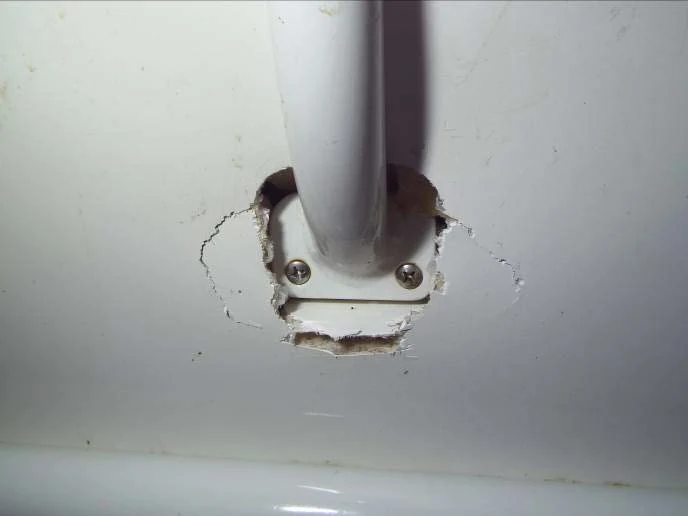
Severity / financialEstimate, depreciation, and reserve logic
A repair estimate is evidence, not the answer. The file has to reconcile scope, labor, depreciation, deductible, reserve, and the amount that can be supported.
Open workflow
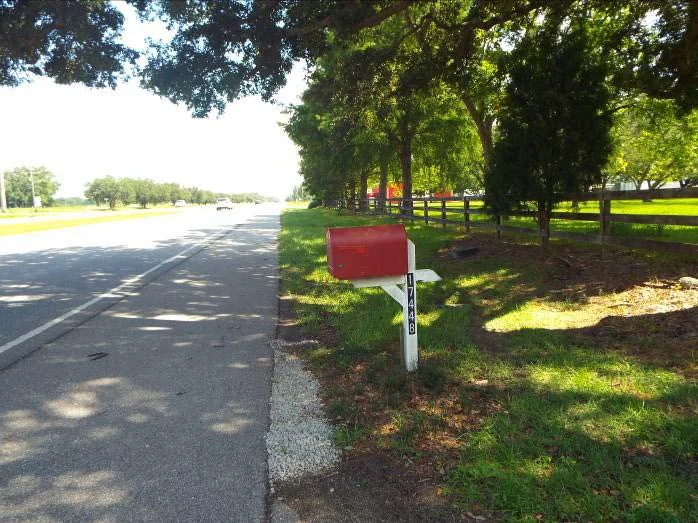
Recovery / third partySubrogation signal development
When a repair facility or other party may have contributed to a later failure, the file must preserve the factual chain and route a usable referral for recovery review.
Open workflow